




This skincare routine guide explains a practical foundation. A skincare routine is a consistent sequence of cleansing, moisturizing, sun protection, and optional targeted care chosen for your skin type and current concerns. It does not need to contain many products. A reliable routine begins with a few well-tolerated essentials, then adds one product at a time only when it serves a clear purpose.
Quick Summary
- Start with a gentle cleanser, moisturizer, and broad-spectrum sunscreen.
- Use products in order from lighter to richer textures, with sunscreen last in the morning.
- Choose products for your skin type and current condition rather than trends.
- Introduce one active product at a time and monitor comfort.
- Consistency matters more than the number of steps.
What Is a Skincare Routine?
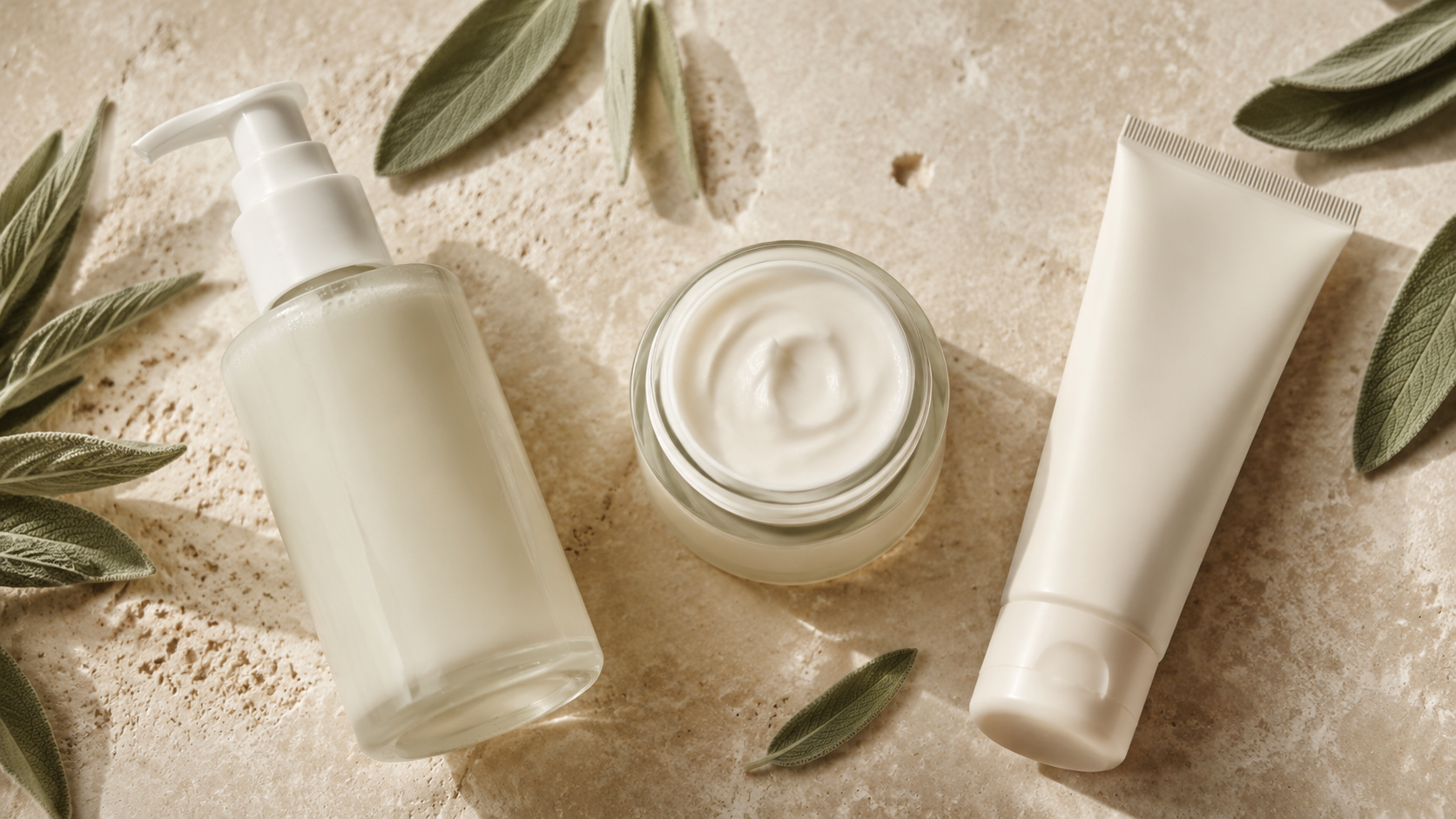
A skincare routine is the order in which you cleanse, support, moisturize, and protect your skin. Its purpose is not to create perfect skin or copy someone else’s shelf. A useful routine helps remove daily buildup, maintain hydration, support the skin barrier, and address selected cosmetic concerns without unnecessary irritation.
The right routine varies with oiliness, dryness, sensitivity, climate, lifestyle, and products already in use. Skin can also change over time, so a routine should be reviewed when the weather, environment, or skin comfort changes.
The Three Essential Steps
1. Gentle cleansing
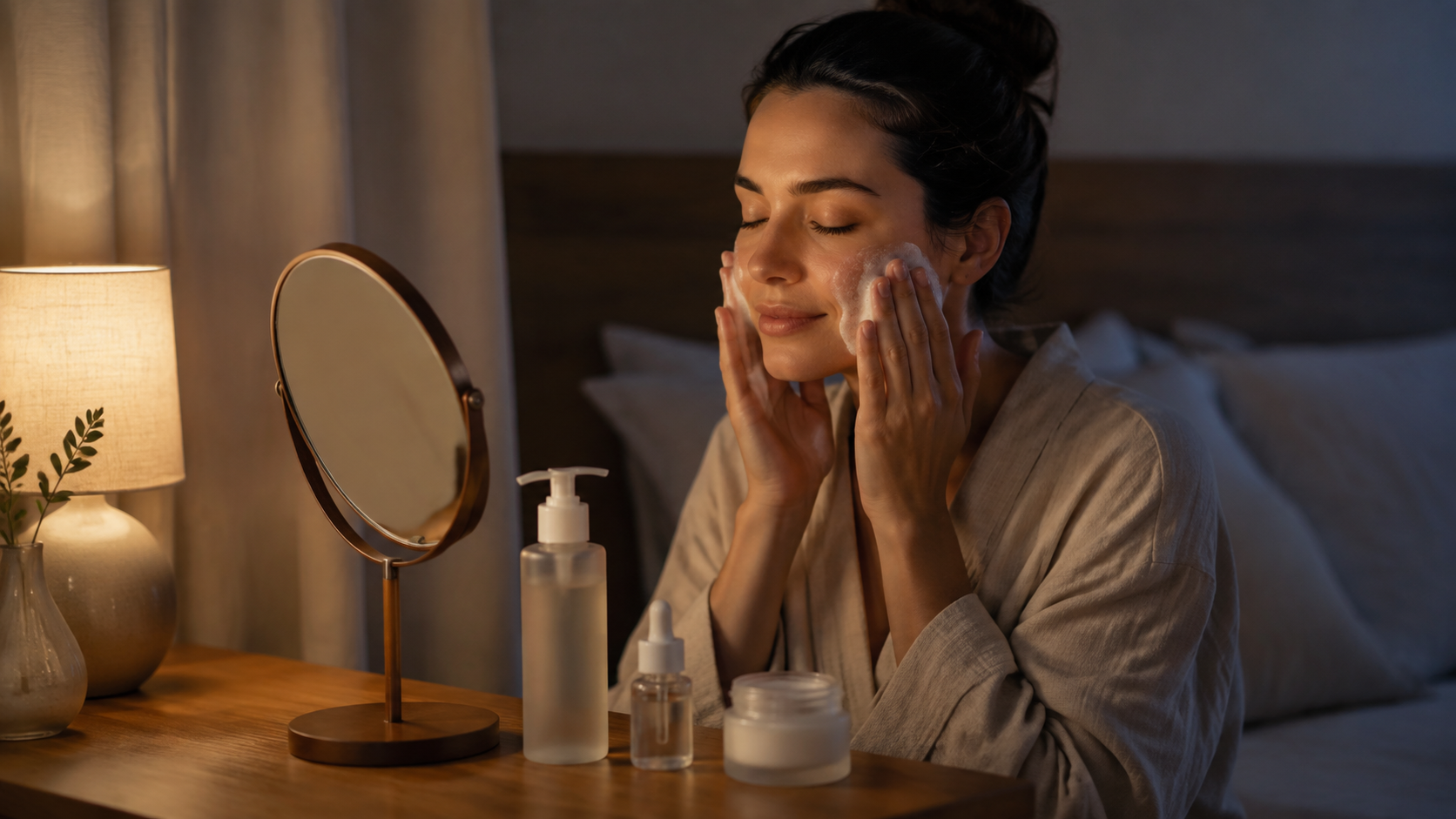
Cleansing removes sweat, excess oil, makeup, sunscreen, and environmental residue. Use lukewarm water and your fingertips rather than aggressive scrubbing. The American Academy of Dermatology recommends limiting face washing to twice daily and after heavy sweating. Dry or sensitive skin may sometimes need only one thorough cleanse in the evening.
A cleanser should leave the skin feeling comfortable. Persistent tightness, burning, or roughness may indicate that the formula or cleansing frequency is too aggressive.

2. Moisturizing
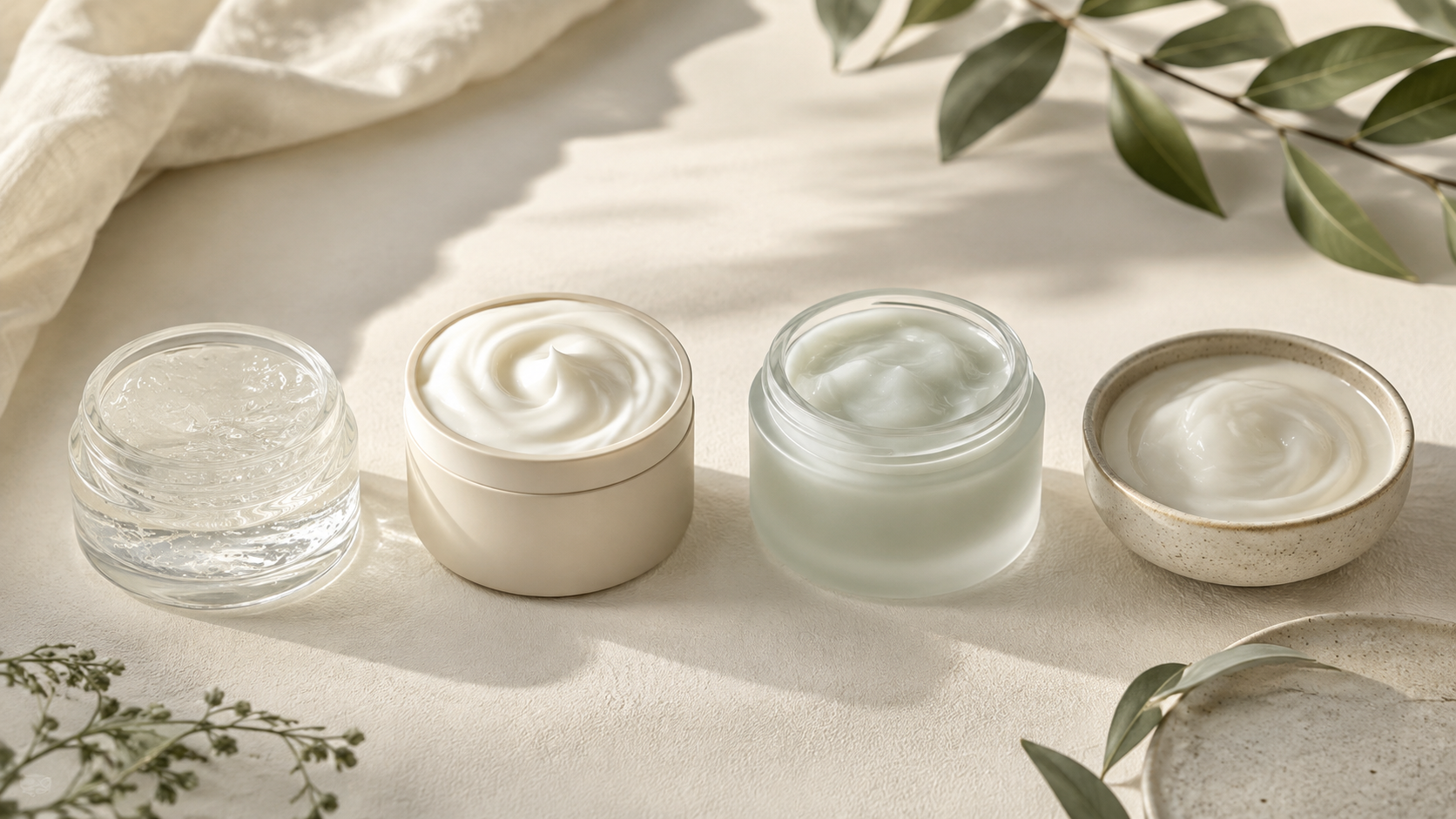
Moisturizer helps reduce water loss from the outer skin layers and supports everyday barrier function. Oily skin can use a lightweight gel or lotion, while dry skin may prefer a cream containing a combination of humectants, emollients, and occlusive ingredients.
Humectants such as glycerin attract water. Emollients help the surface feel smoother, while occlusives reduce water loss. No single ingredient determines the entire performance of a moisturizer; texture and the complete formulation also matter.
3. Daily sun protection
Use a broad-spectrum sunscreen with SPF 30 or higher on exposed skin before going outdoors. Reapply according to the product directions, especially after swimming, sweating, or extended outdoor exposure. Sunscreen works best as part of broader protection that includes shade, hats, sunglasses, and protective clothing.
Simple Morning Skincare Routine
- Cleanse when needed: Use a mild cleanser or rinse according to skin comfort.
- Apply optional targeted care: Use one antioxidant, hydrating, or concern-focused product if it has a clear role.
- Moisturize: Choose a texture suitable for the skin and climate.
- Apply sunscreen: Use it as the final skincare step before makeup.
Allow each product to settle enough to avoid pilling, but you do not need to wait for a fixed number of minutes between every layer. Product compatibility and the amounts used usually matter more.

Simple Evening Skincare Routine
- Remove makeup and resistant sunscreen: Use micellar water, cleansing oil, or balm when needed.
- Cleanse gently: Follow with a water-based cleanser if the first step leaves residue.
- Apply one targeted product: Introduce active ingredients gradually.
- Moisturize: Finish with a formula that maintains comfort overnight.
Double cleansing is optional. It can be useful for heavy makeup or water-resistant sunscreen, but it is not automatically better for every person. If one gentle cleanse removes the day’s products effectively, a second cleanse may add dryness without providing a meaningful benefit.
How to Choose Products by Skin Type
Oily or blemish-prone skin
Look for lightweight, non-greasy textures and gentle cleansing. Do not try to remove every trace of oil with harsh surfactants or alcohol-heavy products. A non-comedogenic label can be a useful starting point, but individual tolerance still varies.
Dry skin
Prioritize a mild cleanser and a richer moisturizer. Ingredients such as glycerin, ceramides, squalane, and petrolatum may be useful depending on the full formula. Applying moisturizer while the skin is slightly damp can help reduce a dry, tight feeling.
Sensitive skin
Keep the routine short, favor fragrance-free products, and patch-test new formulas as directed. “Natural,” “clean,” or “cruelty-free” describes sourcing or brand choices; these labels do not guarantee that a formula will be non-irritating.
Combination skin
Adjust the amount and texture by area. You may use a lighter layer on an oily T-zone and a richer layer on dry cheeks without building two entirely separate routines.
When to Add Active Ingredients
Only add an active when the basic routine feels stable and the product addresses a defined concern. Common options include salicylic acid for certain congestion concerns, azelaic acid for the appearance of uneven tone and blemishes, vitamin C for antioxidant support, and retinol or retinoids for mild fine lines, uneven texture, or acne-related concerns.
Begin at a low frequency according to official directions. Avoid starting several strong products in the same week because it becomes difficult to identify the cause of irritation. Topical retinoids should not be used during pregnancy; seek appropriate medical guidance if you are pregnant, trying to become pregnant, breastfeeding, or using prescription skin treatment.
Correct Skincare Layering Order
A practical rule is to apply products from lighter to richer textures, followed by sunscreen in the morning. Treatment directions may override the texture rule, so check the manufacturer’s instructions.
| Morning | Evening |
|---|---|
| Cleanse when needed | Remove makeup or resistant sunscreen |
| Optional serum or targeted care | Gentle cleanser |
| Moisturizer | Targeted product |
| Broad-spectrum sunscreen | Moisturizer |
Common Skincare Routine Mistakes
- Adding several active ingredients at once.
- Changing products before allowing enough time to evaluate tolerance.
- Using harsh scrubs to make the skin feel exceptionally clean.
- Skipping moisturizer because the skin is oily.
- Using a trending ingredient without identifying the actual concern.
- Assuming expensive or natural products are always more suitable.
- Continuing a product despite persistent burning, swelling, or peeling.
- Skipping sunscreen during cloudy or cool weather.
How to Adjust Your Routine by Season
In humid weather, lighter layers may feel more comfortable. In cold, dry, or air-conditioned environments, a richer moisturizer may help reduce tightness. Seasonal adjustment usually means changing product texture or frequency—not replacing every product at once.
After travel or a weather change, simplify the routine first. Observe how the skin feels for several days before introducing additional exfoliation or active products.
Frequently Asked Questions
How many skincare products do beginners need?
Most beginners can start with cleanser, moisturizer, and sunscreen. Add another product only when it has a clear purpose and the basic routine is comfortable.
Do I need toner?
Toner is optional. A hydrating toner may add comfort, but it is not essential if cleansing and moisturizing already meet your skin’s needs.
Should I double cleanse every night?
Not necessarily. Double cleansing can help remove heavy makeup or water-resistant sunscreen. One effective gentle cleanse may be sufficient on other days.
How long should I test a new routine?
Comfort and hydration can change relatively quickly, while visible changes in texture, tone, or breakouts may take longer. Introduce products individually and assess them according to their intended use rather than expecting an immediate transformation.
When should I see a dermatologist?
Seek professional evaluation for painful or scarring acne, persistent rash, severe or ongoing irritation, sudden pigment changes, or a changing mole or lesion. Cosmetic skincare is not a substitute for diagnosis or treatment.
Final Thoughts
The most effective skincare routine is one you can follow consistently without repeatedly irritating your skin. Begin with gentle cleansing, appropriate moisturizer, and daily sun protection. Add one targeted product at a time, monitor how your skin responds, and adjust texture or frequency when your environment changes.
Before buying another product, ask a simple question: what specific role will it play in the routine? If the answer is unclear, the product may not be necessary yet.